Fraud risks facing charities and the steps trustees should take
Fraud is something no charity likes to think about, but the reality is that every organisation handling money, donations or grant funding is a potential target.
Fraud Awareness Week is a great reminder that protecting charitable funds isn't just about good governance, it's about ensuring more money reaches the beneficiaries who need it most.
Fraud in charities: Why staying vigilant matters
Charities are built on trust. Trustees trust staff, donors trust charities and beneficiaries trust services will be there when needed. Unfortunately, fraudsters often see that trust as an opportunity.
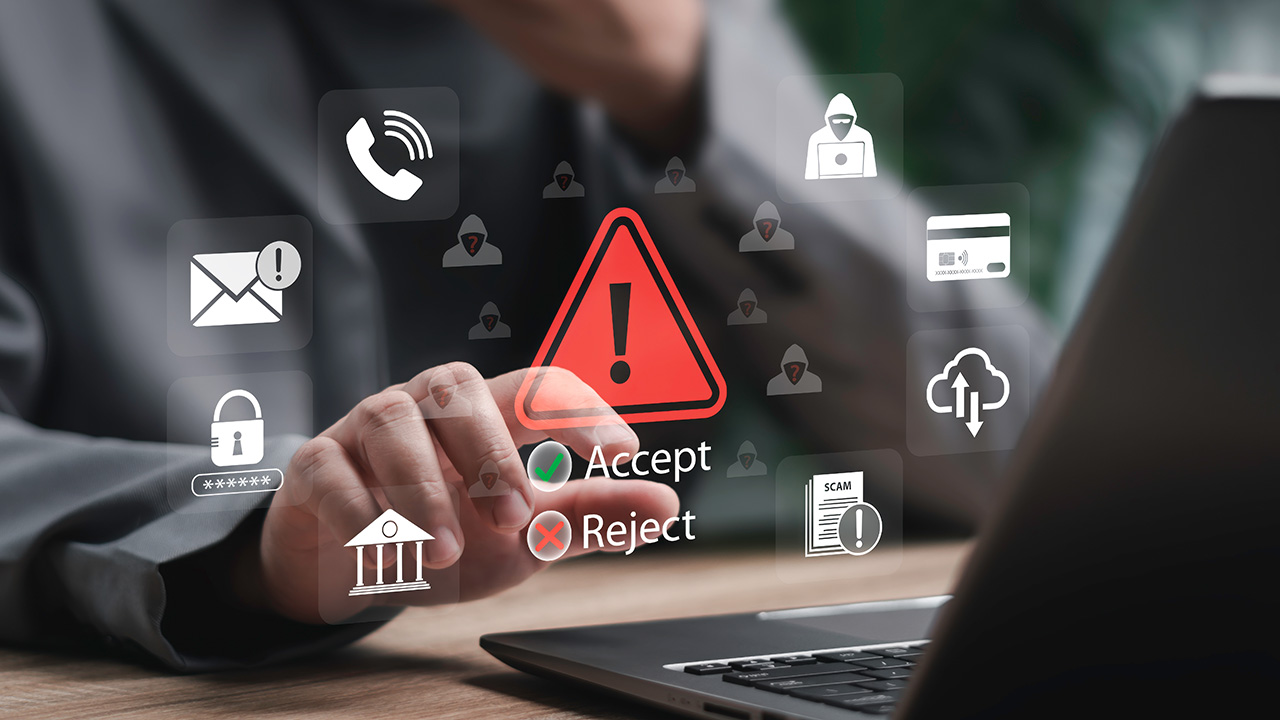
Fraud can take many forms, from fake supplier invoices and manipulated expense claims to sophisticated phishing emails and cyber-attacks. In some cases, the fraudster is external. In others, it can be someone within the organisation exploiting weak controls.
Common fraud risks for charities
Some of the most common threats include:
- Phishing emails designed to steal login details or redirect payments
- Fraudulent requests to change supplier bank accounts
- False or exaggerated expense claims
- Payroll fraud, including payments to fictitious employees
- Misuse of grant funding or restricted funds
- Cyber-attacks targeting donor and financial information.
What can trustees do?
Trustees don't need to become fraud investigators, but they do need to ask the right questions:
- Do we understand our biggest fraud risks?
- Are financial controls and approval processes working effectively?
- Could one person make a payment without independent review?
- Have staff received fraud and cyber-awareness training?
- Is there a clear route for reporting concerns?
A healthy level of challenge from trustees can be one of the strongest fraud deterrents.
Creating a fraud-aware culture
Policies and procedures are important, but culture matters just as much. Staff and volunteers should feel comfortable raising concerns if something doesn't look right.
Simple steps such as regular training, strong whistleblowing arrangements and periodic reviews of financial controls can make a significant difference.
A quick Fraud Awareness Week checklist
- Review fraud risks and controls
- Check supplier bank details and approval processes
- Refresh staff cyber-security training
- Test user access to finance systems
- Review whistleblowing procedures
- Put fraud risk on the next board agenda
Final thoughts
Fraud prevention isn't about mistrust. It's about safeguarding the resources entrusted to your charity and protecting your reputation. Every pound lost to fraud is a pound that can't be used to support beneficiaries.
Fraud Awareness Week is the perfect opportunity to take stock, strengthen controls and remind everyone that protecting charitable funds is a responsibility shared by the whole organisation.
At Rickard Luckin, we work with charities and not-for-profit organisations to strengthen governance, improve financial controls and identify areas of fraud risk before they become costly problems. Please reach out, we are happy to help.
If you have any questions about the above, or would like more information specific to your circumstances, please enter your email address below and we will get in touch:






Our Accreditations and Memberships